Pavilion Publishing and Media Ltd
Blue Sky Offices Shoreham, 25 Cecil Pashley Way, Shoreham-by-Sea, West Sussex, BN43 5FF, UNITED KINGDOM
Tel: +44 (0)1273 434 943
Email: [email protected]


Study finds longer wait times for breast cancer care, diagnosis and treatment for Black patients, patients with a learning disability and patients from ethnic backgrounds.
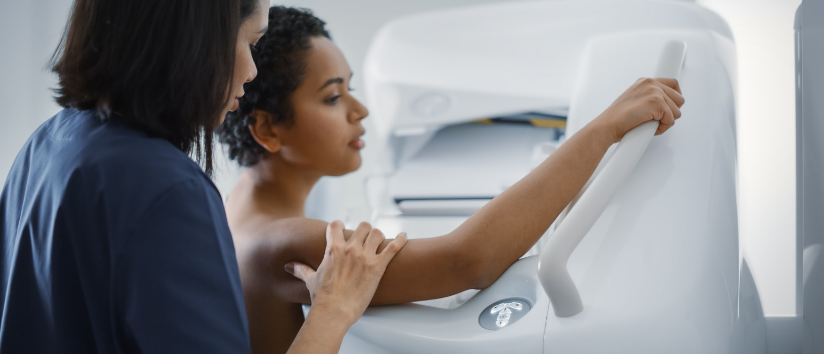
A new study has found that Black patients, patients with a learning disability, Asian patients and patients from mixed ethnic backgrounds are more likely to face longer wait times for a breast cancer diagnosis and care and treatment.
The study, led by the University of Surrey, measured delays across the full breast cancer diagnosis and treatment pathway using anonymised data from 86,564 patients at NHS general practices diagnosed in England between 2009 and 2018.
The nationwide study is believed to be the first of its kind in the UK, was funded by Breast Cancer Now and was published in Breast Cancer Research in September 2026.
The findings showed Black patients had 29% lower odds and were less likely to be diagnosed through routine screening than White patients. Black patients had 37% higher odds and were more likely to be diagnosed after seeking emergency help at A&E or receiving an urgent suspected cancer referral. Information from Cancer Research UK shows that cancers found through an emergency can have a lower chance of survival as they tend to be later stage.
Patients with a learning disability were found to face an average of 18% longer waits for a breast cancer diagnosis after presenting a symptom to their GP. Findings showed that 1 in 4 patients with a learning disability would wait 29 days or more for a breast cancer diagnosis, this is 10 days longer than the general population were found to wait.
After receiving a breast cancer diagnosis, the study found that wait times to start treatment continued to be longer for Black patients and patients with a learning disability.
Black patients were found to wait around 5 days longer than white patients to start treatment. Patients with a learning disability were found to have an 8% longer wait time to start treatment than patients who did not have a learning disability.
The study also examined the experiences of patients with severe mental illness and patients who lived in the most deprived areas. Findings showed that these patients were more likely to receive a breast cancer diagnosis as part of an emergency instead of an early screening. The issue of delayed diagnosis and treatment was found to be compounded for patients who were part of more than one of these groups, such as a patient who had a severe mental illness and was living in the most deprived areas.
Early detection of cancer in stage 1 or 2 treatment is more likely to be successful, and more treatment options may be available to the patient to slow or stop the spread of cancer, according to charity Cancer Research UK.
Information from Cancer Research UK shows 98% of women with breast cancer in England survive the disease for five years or more after receiving a diagnosis at the earliest stage. However, when breast cancer is diagnosed at the most advanced stage, the rate of survival drops to 27% or 3 in 10, showing how great the effect of early diagnosis is on a person’s chance of survival.
Dr Robert Kerrison, Associate Professor and Co-Lead for Cancer Care, said, ” Early detection and treatment of breast cancer are crucial for survival, and our study shows that the country currently has a system that is letting down the patients who already face the most barriers. Fewer Black women are being picked up through screening; more are being diagnosed in A&E, and patients with a learning disability are waiting longer at every stage. Each one of these gaps costs time, and in cancer time, costs lives.”
Researchers hope the findings can be used to reduce inequalities in breast cancer diagnosis and treatment pathways.
Manveet Basra, associate director of public health, inclusion and awareness at Breast Cancer Now, said,
“This research helps us understand who is less likely to be diagnosed with breast cancer via screening, might wait longer to get diagnosed or experience delays in treatment, and knowing what barriers they face enables us to work towards eliminating them.”
“Determined to improve breast cancer care and survival rates outcomes, we’re funding world-class research that actively identifies and addresses inequities, working with policymakers to improve equal access to screening, and ensuring our information, campaigns and life-changing support services reflect the diverse needs of everyone affected by this devastating disease.”

This website uses cookies to improve your experience. We'll assume you're ok with this, but you can opt-out if you wish. Accept Read more ...