Pavilion Publishing and Media Ltd
Blue Sky Offices Shoreham, 25 Cecil Pashley Way, Shoreham-by-Sea, West Sussex, BN43 5FF, UNITED KINGDOM
Tel: +44 (0)1273 434 943
Email: [email protected]


The UKHSA has issued the first yellow cold-health alert of the winter season 2026/27 for the North West and West Midlands, urging professionals to take steps to help protect patients’ health during cold weather.
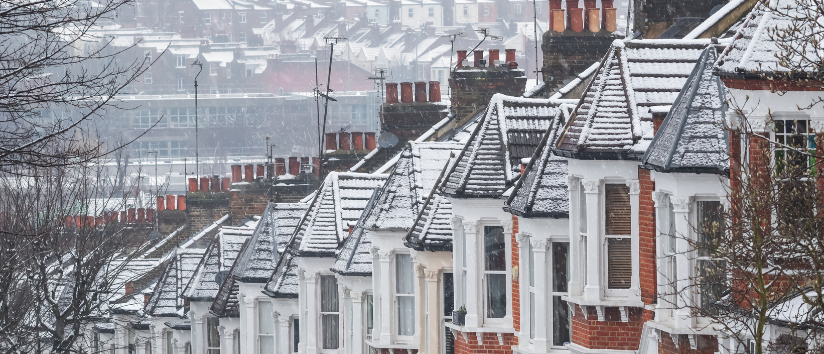
The UK Health Security Agency (UKHSA) has issued a yellow cold-health alert for the North West and West Midlands from 9 am Thursday 12 November until 12 pm Saturday 14 November.
This is the first cold-health alert of the winter season 2026/27 for England, urging professionals to help patients protect their health as the need for health care services can often be expected to increase during low temperatures. Consultant in Public Health at UKHSA, Dr Anya Gopfert, said, “We can expect more [ cold- health alerts] as we move further into the season”.
The Weather-Health Alerting system was introduced by the UKHSA and the Met Office. Weather-Health Alerts are designed primarily to provide information on the health impacts of particularly hot or cold weather to health and social care sector workers and emergency responders.
A yellow cold-health alert is issued during periods where cold weather is unlikely to impact most people, but risks impacting those considered vulnerable. Weather-Health Alerts cover England, information covering the whole of the UK can be found through the Met Office’s National Severe Weather Warning Service.
Healthcare professionals across England can receive notifications on Weather Health Alerts through this form from the UKHSA, and can visit the UKHSA Data Dashboard to view the current alert status. These alerts are also available to the public.
Cold weather can often lead to an increase in the use of health care services by those more likely to be affected by low temperatures, and it is important to identify those with an increased risk to their health during cold weather events. The UKHSA recently published a new Cold mortality monitoring report, estimating that 2,200 cold-associated deaths occurred in winter 2025/26, and has encouraged eligible people to come forward for flu vaccinations as part of winter health campaigns.
The UKHSA identifies vulnerable groups as people aged 65 years and over, people with pre-existing health conditions such as respiratory or cardiovascular diseases, young children, people with a learning disability, people who are pregnant, as well as other groups such as people who are sleeping rough.
The UKHSA has published resources for healthcare professionals, with guidance and information on the risks of cold weather events and guidance on how to protect patients’ health.
Resources for healthcare professionals from UKHSA:
The UKHSA has published guidance in April 2026 for the public to help patients understand how they can protect their health from the risks of cold weather events.
Dr Anya Gopfert said, ” … it is vital to check in on friends, family and neighbours who are most vulnerable. We’re also reminding people to take simple steps to stay warm and look after their health as temperatures begin to fall. Keeping homes heated where possible and dressing warmly can help people stay safe and well during colder weather.”

This website uses cookies to improve your experience. We'll assume you're ok with this, but you can opt-out if you wish. Accept Read more ...